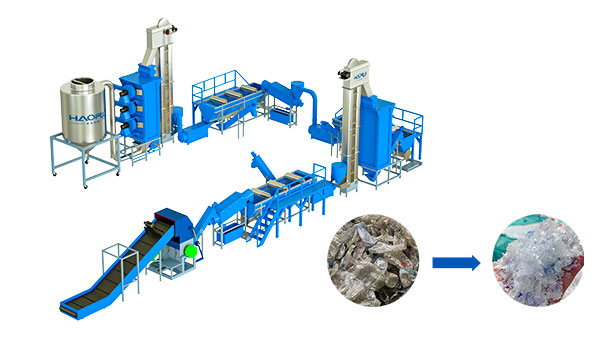
The plastic recycling industry has experienced remarkable growth and technological advancement in recent years, with density-based separation in plastic recycling operations. These systems separate materials based on specific gravity, enabling efficient removal of contaminants with different densities than target plastic materials. This comprehensive guide explores the technology, applications, operational considerations, and strategic factors essential for businesses seeking to implement or optimize their recycling operations.
Industry Overview and Market Context
The global plastic recycling market has grown substantially in response to increasing environmental concerns, regulatory pressures, and corporate sustainability commitments. Governments worldwide have implemented Extended Producer Responsibility programs requiring manufacturers to fund end-of-life management of their packaging materials. Brand owners have committed to incorporating recycled content in their products, creating sustained demand for high-quality recycled materials.
The economic case for plastic recycling extends beyond direct revenue from product sales. Carbon credits and renewable energy certificates may be available for facilities generating energy from waste materials or utilizing renewable power sources. Extended Producer Responsibility schemes create additional revenue streams through compliance payments. The circular economy framework increasingly influences business strategy and investment decisions.
Understanding the Target Material
[Detailed content about the specific material being processed, its properties, applications, and recycling challenges would go here. This section establishes the foundation for understanding why specific equipment and processes are required.]
The material characteristics significantly influence equipment selection and processing parameters. Different plastic types require specific temperature profiles, residence times, and mechanical treatments to achieve optimal recycling results. Understanding these material-specific requirements enables appropriate equipment configuration and process optimization.
Market demand for recycled materials varies by plastic type and quality level. Clear, uncontaminated materials command premium pricing in food-grade applications. Colored materials serve various non-food applications with different quality requirements. Quality differentiation enables processors to target specific market segments and maximize value recovery.
Processing Technology Overview
Modern plastic recycling involves multiple processing stages designed to transform waste materials into usable products. Collection and sorting systems capture recyclable materials and separate different types for appropriate processing. Size reduction equipment prepares materials for subsequent cleaning and processing. Washing and cleaning systems remove contamination that affects final product quality.
Drying systems remove moisture to levels suitable for downstream processing and customer requirements. Pelletizing or further processing transforms materials into the form required by end users. Quality control systems ensure products meet specifications throughout production. Integration of these stages into coherent processing lines enables efficient, cost-effective recycling operations.
Equipment selection and configuration significantly affect processing efficiency and product quality. Modular systems offer flexibility for facilities anticipating growth or changing requirements. Turnkey solutions from integrated suppliers simplify procurement and integration. Custom configurations address specific material characteristics and quality objectives.
Key Processing Considerations
Temperature control proves critical throughout plastic recycling operations. Excessive heat causes thermal degradation, affecting material properties including intrinsic viscosity. Insufficient heat results in incomplete processing and poor product quality. Modern equipment incorporates advanced temperature monitoring and control systems maintaining optimal conditions.
Moisture management affects both processing efficiency and final product quality. Thorough drying prevents hydrolysis during subsequent melting operations. Vacuum degassing removes volatile compounds that cause quality problems. Moisture content specifications vary by application and customer requirements.
Contamination removal determines final product purity and market value. Physical separation removes visible contaminants through screening and density separation. Chemical treatment addresses organic contamination and stubborn residues. Quality testing verifies contamination levels meet specifications.
Operational Excellence
Effective operations require systematic attention to equipment maintenance and process control. Preventive maintenance programs reduce unplanned downtime and extend equipment service life. Condition monitoring technologies identify developing problems before they cause failures. Spare parts management ensures timely repair when maintenance is required.
Operator training represents a critical investment in operational success. Well-trained operators optimize equipment settings for varying input materials. They identify quality issues early and respond appropriately to process deviations. Comprehensive training covers equipment operation, safety requirements, quality standards, and troubleshooting.
Quality management systems ensure consistent product quality meeting customer specifications. Statistical process control identifies trends enabling preventive intervention. Regular testing verifies product quality and provides documentation for customers. Continuous improvement initiatives enhance operational performance over time.
Automation and Industry 4.0 Integration
Modern recycling facilities increasingly incorporate advanced automation and digital connectivity. Conveyor systems with variable frequency drives automatically adjust material flow rates. Sensor networks monitor critical parameters in real-time. SCADA systems centralize operations management enabling remote monitoring and control.
Integration with enterprise systems facilitates production scheduling and inventory management. Machine learning algorithms optimize operating parameters based on real-time data. Predictive maintenance systems identify equipment issues before failures occur. Digital twins enable process simulation and optimization without disrupting production.
Environmental Considerations
Environmental compliance ensures regulatory adherence and social responsibility. Air emissions from thermal processing require filtration and monitoring. Wastewater treatment manages liquid effluents from washing operations. Solid waste management addresses processing byproducts and contaminated materials.
Sustainability initiatives enhance environmental performance and market positioning. Heat recovery systems capture thermal energy for facility heating. Water recycling reduces fresh water consumption and wastewater volume. Energy-efficient equipment reduces electricity consumption and carbon footprint.
Future Industry Outlook
The plastic recycling industry continues evolving in response to regulatory changes, market dynamics, and technological advances. Chemical recycling technologies complement mechanical recycling by processing contaminated materials. Advanced sorting systems improve material recovery from complex waste streams. Digital tracking systems document recycled content throughout supply chains.
Market demand for recycled materials continues growing as brands meet sustainability commitments. Regulatory requirements drive investment in recycling infrastructure. Technology advances improve processing efficiency and product quality. The circular economy framework creates opportunities for innovative recycling solutions.
FAQ
Q: What is the typical capacity of this equipment?
A: Equipment capacities vary substantially based on scale and configuration. Small-scale systems may process 500-1,000 kg/hour, medium-scale equipment processes 1,000-5,000 kg/hour, and large industrial systems can exceed 10,000 kg/hour. Capacity selection depends on material availability, market demand, capital budget, and operational expertise. Starting with appropriately sized equipment and expanding as operations mature reduces risk and enables learning before major scaling decisions.
Q: How do I ensure optimal equipment performance?
A: Optimal performance requires proper equipment selection for specific applications, regular maintenance including daily inspections and periodic servicing, operator training to ensure proper operation, quality control throughout production, and systematic troubleshooting when issues arise. Documentation of operating parameters and results builds valuable institutional knowledge supporting continuous improvement and operational excellence.
Q: What maintenance is required?
A: Maintenance requirements vary by equipment type and operating conditions. Daily maintenance includes visual inspections, wear part condition checks, and cleaning. Weekly tasks cover lubrication, belt tension adjustment, and system checks. Monthly maintenance addresses wear part replacement, calibration verification, and thorough inspection. Quarterly and annual maintenance includes comprehensive servicing and parts replacement based on condition. Preventive maintenance programs significantly reduce unplanned downtime and extend equipment service life.
Q: What is the typical ROI for this equipment?
A: ROI depends on multiple factors including material costs, product pricing, equipment efficiency, and operating costs. Well-managed operations typically achieve payback within 2-5 years depending on scale and market conditions. Government incentives, sustainability premiums, and carbon credits may improve project economics. Careful financial analysis during planning helps set realistic expectations and identify key performance drivers.
Q: How do I choose the right equipment for my needs?
A: Selection factors include capacity requirements, input material specifications, desired output quality, space constraints, budget limitations, and after-sales support availability. Visiting existing installations and consulting with equipment suppliers helps verify manufacturer claims. References from similar operations provide valuable operational insights. Total cost of ownership analysis should account for initial investment, operating costs, maintenance expenses, and projected service life.
Q: What quality specifications do customers typically require?
A: Common specifications include moisture content (typically below 0.02%), intrinsic viscosity or melt flow within specified ranges, contamination levels below maximum limits, consistent color, and uniform particle size distribution. Specific requirements vary by application and customer. Clear communication with customers about quality requirements enables appropriate production planning and quality management.
Q: What future developments should I be aware of?
A: The industry continues evolving with chemical recycling technologies, advanced automation and Industry 4.0 integration, improved sensor technologies for quality monitoring, enhanced water and energy efficiency, and digital tracking systems for material provenance. Staying informed about industry developments helps plan future investments and maintain competitive advantage.
HAORUI Machinery was established in 1992, a professional manufacturer & exporter of PET bottle recycling machine, PP PE plastic bag / film /bottle recycling machine, pelletizing machine etc.