Choosing the right Label Remover Machine for your plastic recycling operations is crucial for ensuring both efficiency and quality. The materials used in the machine are essential in determining its longevity, performance, and overall operational efficiency. At Haorui Machinery, we design Label Remover Machines with the highest standards, ensuring that they meet the needs of recycling plants handling a wide variety of labels and bottles. This article will provide an in-depth overview of the materials used in Label Remover Machines, discuss their importance in overall machine performance, and explain how to select the best materials based on your needs.
Blade Materials and Their Importance
The blades used in Label Remover Machines are some of the most critical components, directly impacting the machine's ability to remove labels efficiently. The type of material used for the blades affects not only the performance but also the maintenance and lifespan of the machine. Blade material choices vary between regular steel and alloy steel, each providing distinct advantages.
Alloy Steel vs Regular Steel
One of the most important considerations when choosing a Label Remover Machine is selecting the right blade material. The two most common types of blade materials are alloy steel and regular steel. Both materials have their advantages, but alloy steel tends to offer better long-term performance.
Benefits of Using Alloy Steel for Longer Blade Life
Alloy steel is known for its excellent wear resistance and durability. The addition of other metals such as chromium or vanadium in alloy steel increases its strength and resistance to abrasion. This makes alloy steel blades ideal for machines that need to handle high volumes of bottles with varying label materials. The longer lifespan of alloy steel blades reduces the need for frequent replacements and ensures that the Label Remover Machine operates at optimal performance for a more extended period.
Alloy steel blades are especially beneficial in high-capacity operations, where machines process large quantities of bottles daily. The ability to maintain sharpness and efficiency for a longer time translates into reduced downtime for maintenance, which is a critical factor in high-volume recycling operations.
In comparison, regular steel blades are typically more affordable but are more prone to wear and tear over time. These blades may require more frequent replacements, leading to higher operational costs and increased downtime. Regular steel blades are generally suitable for lower-capacity operations that process lighter labels but are not ideal for high-speed, heavy-duty recycling processes.
Choosing the Right Configuration for Your Needs
A critical factor in selecting the right Label Remover Machine is ensuring that the machine's configuration aligns with the type of bottles and labels you are working with. The configuration refers to how the machine is designed to handle different sizes, shapes, and materials of bottles and labels.
Matching Machine Configuration to Bottle Types
Different types of bottles require different configurations to ensure efficient label removal. Label Remover Machines are designed to handle a variety of bottle sizes, including PET, PP, and PE bottles, with different shapes and thicknesses. The machine’s configuration needs to be adjustable to ensure compatibility with the specific types of bottles used in your operation.
Adapting the System for Different Bottle Shapes and Sizes
For instance, bottles with narrow necks or irregular shapes may require a machine that offers adjustable feed mechanisms or more flexible processing configurations. Some Label Remover Machines come equipped with conveyors and mechanisms that can adjust to different bottle sizes automatically. This ensures that even odd-shaped bottles can be processed efficiently without causing jams or incomplete label removal.
If you operate a facility that processes bottles of varying sizes, it is crucial to choose a machine that allows you to adjust the system’s settings quickly. Whether you’re working with small, standard-sized bottles or larger, industrial containers, the machine’s configuration must be flexible enough to adapt to your operational needs.
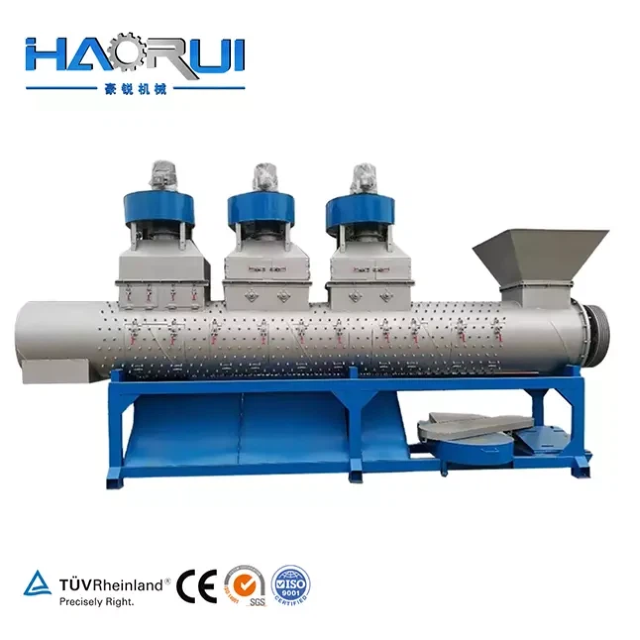
Wet vs Dry Removal: Material Considerations
Another key factor in choosing the right Label Remover Machine is deciding between wet and dry removal systems. Wet and dry systems each have their advantages and are designed for specific types of labels and bottles.
Choosing Based on Label Material
The material of the label plays a significant role in determining which type of removal system is most effective. For instance, paper labels or lightweight plastic labels can generally be removed easily using a dry system, while tougher adhesive labels may require a wet or steam-based system to soften the adhesive before removal.
How the Type of Label Affects the Removal Process
Paper labels, which are typically less durable and require less energy to remove, are ideal for dry removal systems. Air-based systems that use high-pressure air jets are effective at blowing these lightweight labels off the bottles. These systems are also faster and more energy-efficient, making them perfect for high-volume operations.
On the other hand, bottles with more resilient, adhesive labels (such as those commonly used in beverage bottles) require wet systems. Water-based systems use steam or hot water to break down the adhesive on the label, making it easier to remove. These systems are often slower but more effective for handling difficult labels. For operations that process mixed materials or deal with stubborn labels, a dual system that allows for both dry and wet removal is ideal.
Durability and Maintenance Needs
The durability of a Label Remover Machine depends heavily on the quality of materials used in its construction. The machine’s components, such as the motor, blades, and frame, must be made of durable materials to ensure that the machine can handle the demands of continuous operation. Machines made from high-quality materials require less maintenance and have a longer lifespan, providing better value in the long run.
Machine Components and Longevity
Machines built with durable components last longer and are more reliable in demanding environments. For example, Label Remover Machines that use stainless steel frames and components are resistant to corrosion and can withstand exposure to water and harsh chemicals. This is particularly important in recycling operations where the machine is exposed to moisture and cleaning agents regularly.
How to Extend the Lifespan of Key Components
To extend the lifespan of a Label Remover Machine, regular maintenance is essential. Cleaning the machine after each use, checking the blades for wear, and replacing worn-out parts will help ensure that the machine continues to perform well. Additionally, scheduling periodic inspections and servicing will help identify any issues early on, reducing the risk of major breakdowns.
Maintaining the machine’s components properly ensures that the machine remains efficient and reduces the likelihood of costly repairs. Investing in high-quality machines built with durable materials will pay off in the long term by minimizing downtime and repair costs.
Label Remover Machine Material Comparison Table
The following table outlines the different materials used in Label Remover Machines, comparing their benefits and ideal applications:
Material |
Benefits |
Ideal For |
Alloy Steel Blades |
Long-lasting, resistant to wear, durable for heavy-duty use |
High-volume recycling, tough adhesive labels |
Regular Steel Blades |
Cost-effective, reliable for general use |
Light to medium-duty operations |
Stainless Steel Frame |
Corrosion-resistant, ideal for wet environments |
Machines exposed to moisture and chemicals |
Plastic Components |
Lightweight, lower-cost |
Smaller, lower-volume recycling operations |
This table serves as a guide to help you select the best materials for your Label Remover Machine, depending on your specific operational needs.
Conclusion
Selecting the right Label Remover Machine for your recycling process is vital for ensuring efficient and high-quality recycling outcomes. By considering factors such as blade material, machine configuration, label removal methods, and the durability of the machine’s components, you can make an informed decision that best fits your needs. Haorui Machinery’s Label Remover Machines are designed to provide exceptional performance and durability, ensuring that your recycling process runs smoothly and effectively.
For personalized advice on selecting the right Label Remover Machine for your operation, please contact us today. We will be happy to help you choose the best machine for your recycling line.
FAQ
Q1: What is the difference between alloy steel and regular steel blades?
A: Alloy steel blades are more durable and wear-resistant, making them ideal for high-volume and heavy-duty operations, while regular steel blades are more cost-effective for general use.
Q2: Can the Label Remover Machine handle different bottle sizes?
A: Yes, Haorui Machinery’s Label Remover Machine is adjustable to handle a wide variety of bottle sizes and shapes, ensuring optimal performance for different bottle types.
Q3: How do I choose between a wet or dry label removal system?
A: If you are processing lightweight labels or need faster throughput, an air-based system may be ideal. For bottles with strong adhesive labels, a water-based system will be more effective.
Q4: How often should I perform maintenance on the Label Remover Machine?
A: Routine maintenance should include inspecting blades and checking moving parts for wear. It is recommended to perform these checks monthly to maintain optimal performance.