Contents
Introduction
The Environmental Impact of Plastic
The Evolution of Plastic and Its Ubiquity
How Plastic Recycling Works: A Step-by-Step Breakdown
Challenges in Plastic Recycling
The Role of Plastic Crusher Machines in Recycling
Innovations in Plastic Recycling Technology
What’s Next for Plastic Recycling?
Conclusion
FAQ
Introduction
Plastic, once hailed as a miracle material, has become a global environmental challenge. Its versatility, affordability, and durability made it a staple in countless industries. However, with increasing concerns about plastic pollution, recycling has become a critical part of reducing its environmental impact. Despite the best efforts, the reality of plastic waste management is more complicated than most people realize.
This article will delve deep into aspects of plastic and recycling that you may not know about. We’ll explore the journey of plastic from its creation to its recycling, how recycling works, the role of innovative technology like High-efficiency Plastic Crusher Machines, and the challenges we face in creating a sustainable future.
The Environmental Impact of Plastic
Plastic pollution is one of the most pressing issues of our time. It’s estimated that over 8 million tons of plastic waste enter the oceans each year, harming wildlife and ecosystems. But the environmental impact of plastic goes far beyond oceanic pollution. Landfills, microplastics, and greenhouse gas emissions from plastic production all contribute to the growing ecological crisis.
What many don’t realize is that plastic’s environmental footprint is not just about the waste it leaves behind—it also includes the energy and resources required to create it. For example, the production of plastic uses fossil fuels, contributing to carbon emissions. This means that every piece of plastic created not only adds to the waste problem but also exacerbates climate change.
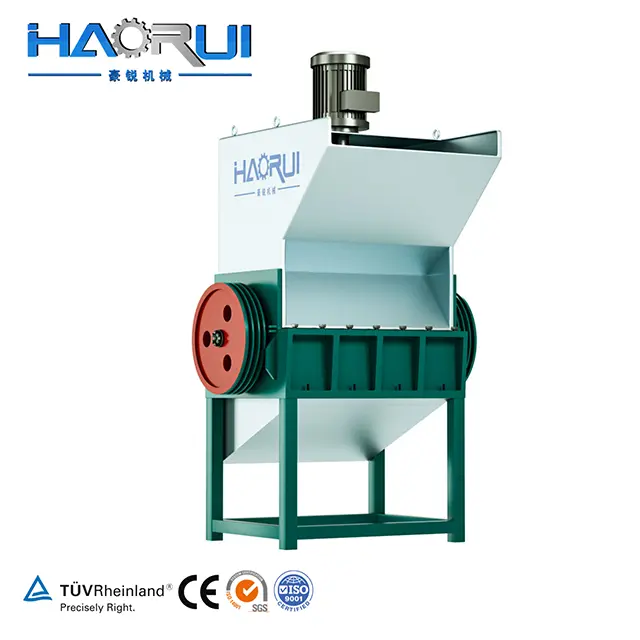
Plastic Crusher Machines, especially Industrial Plastic Crusher Machines for Recycling, play a pivotal role in mitigating this impact by breaking down plastic waste into manageable forms, ready for recycling or repurposing.
The Evolution of Plastic and Its Ubiquity
From its invention in the early 20th century to becoming an integral part of modern life, plastic has evolved in ways we could have never predicted. The 1950s saw the boom of plastic consumer goods, and by the 1990s, plastic was used in everything from packaging to clothing. It became ubiquitous, entering every part of our lives.
However, the very properties that made plastic so appealing—its light weight, resistance to decay, and versatility—are now what make it so problematic. As plastic waste continues to accumulate, the focus has shifted from creation to disposal and recycling. But plastic recycling is not as straightforward as many assume, with many types of plastic being non-recyclable, mixed with contaminants, or difficult to process.
Plastic Crusher Machines have become essential tools in the recycling process, helping to break down complex plastic products into manageable pieces. Machines like Plastic Crusher Machines for PET Bottles are designed specifically for commonly used plastics like polyethylene terephthalate (PET), a plastic often used in drink bottles.
How Plastic Recycling Works: A Step-by-Step Breakdown
Understanding how plastic recycling works is key to grasping the importance of Plastic Crusher Machines. The recycling process generally follows these steps:
Collection and Sorting: Recycled plastic first needs to be collected and sorted by type. This is important because not all plastics are the same, and each type has its own recycling requirements.
Shredding: Once sorted, plastics are shredded into smaller pieces using High Capacity Plastic Crusher Machines. This helps in breaking down large plastic items into manageable sizes that are easier to process.
Washing: Shredded plastic is washed to remove contaminants like labels, dirt, and food residues. This is a crucial step to ensure the quality of the recycled plastic.
Melting and Reforming: After cleaning, the plastic pieces are melted down and formed into new products. This is often where Low Energy Consumption Plastic Crusher Machines come into play, as they help to minimize energy costs by reducing the size of plastic before it is melted.
This process, though complex, allows plastic to be recycled into new products like clothing, packaging, or even new plastic containers. However, recycling rates remain low, with only around 9% of plastic worldwide being recycled into new products.
Challenges in Plastic Recycling
Despite advancements in recycling technology, several challenges remain. The first is the issue of contamination. Plastics that are mixed with food, chemicals, or other materials are difficult to recycle. Crusher Machines for Hard Plastic Recycling help to reduce contamination by breaking down plastics into smaller, purer pieces that can be more easily cleaned and reused.
Another challenge is the vast variety of plastic types, each requiring specific processing techniques. While some plastics are easily recycled, others, like certain multi-layered packaging, are impossible to process effectively. This is where Plastic Crusher Machines come into play—they allow for the sorting and preparation of plastics, making it easier to deal with even the most difficult materials.
Finally, there’s the issue of economic feasibility. Plastic recycling, especially for complex materials, can be expensive. However, innovations in machinery and technology—such as High-efficiency Plastic Crusher Machines—are making recycling more cost-effective and efficient.
The Role of Plastic Crusher Machines in Recycling
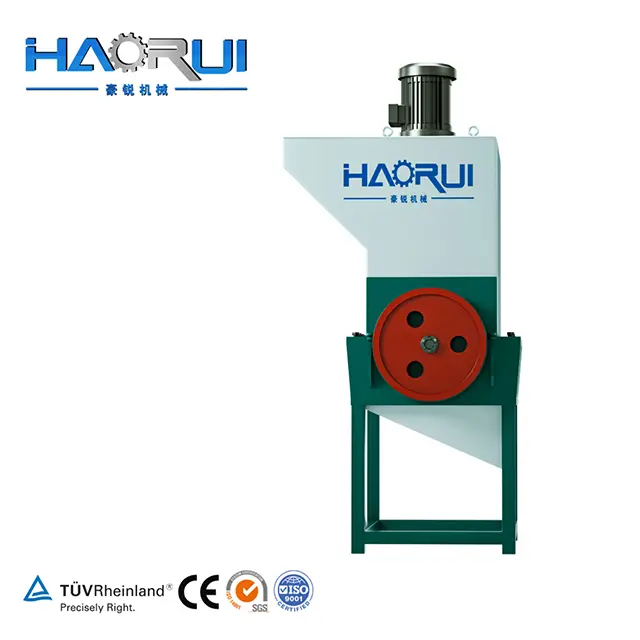
Plastic Crusher Machines are the unsung heroes of the recycling process. They play a pivotal role in breaking down plastic into smaller, manageable parts, making it easier to recycle. These machines come in a variety of forms, including those designed specifically for hard plastics, bottles, and other commonly used materials.
Here’s a breakdown of some important types:
| Type of Plastic Crusher Machine | Purpose |
| High-efficiency Plastic Crusher Machine | Designed for fast, high-volume shredding of plastics |
| Plastic Crusher Machine for PET Bottles | Optimized for crushing PET plastic used in drink bottles |
| Crusher Machine for Hard Plastic Recycling | Designed for crushing rigid plastic materials like pipes |
| High Capacity Plastic Crusher Machine | Built for large-scale recycling operations |
| Low Energy Consumption Plastic Crusher Machine | Reduces the environmental impact by using less energy |
These machines ensure that plastic is processed efficiently, making the recycling process more sustainable.
Innovations in Plastic Recycling Technology
Recent advancements in plastic recycling technology have opened new doors for making the process more efficient, sustainable, and cost-effective. High-tech Plastic Crusher Machines are one example. These machines are designed to not only shred plastics faster but also use less energy, thereby reducing operational costs and minimizing the carbon footprint of recycling operations.
Additionally, there have been innovations in plastic sorting systems. Automated technologies, such as AI and machine learning, are now used to sort plastics by type and color with unprecedented accuracy. These technologies make it easier to process mixed plastics, improving recycling rates and making it more economically viable.
What’s Next for Plastic Recycling?
The future of plastic recycling is promising, but it requires continued innovation and cooperation between governments, industries, and consumers. Some emerging trends include:
Chemical Recycling: This process breaks plastics down into their base components, allowing them to be reused in the production of new plastics.
Upcycling: Transforming plastic waste into higher-value products, like clothing or building materials.
Improved Recycling Infrastructure: Expanding the global network of recycling facilities to make it easier for individuals and businesses to recycle plastics properly.
With new technologies and better systems in place, the future of plastic recycling looks brighter, but there is still much work to be done.
Conclusion
Plastic and recycling are more complicated than many people realize. While plastic is a versatile material with numerous benefits, its environmental impact is undeniable. Recycling is a crucial step in mitigating this damage, but it comes with its own set of challenges.
Innovative solutions, such as Plastic Crusher Machines, are helping to break down plastic waste more efficiently, making recycling processes more effective and sustainable. However, to achieve a truly circular plastic economy, we must continue to innovate, improve infrastructure, and raise awareness about the importance of recycling.
FAQ
Q1: Why is plastic recycling so important?
A: Plastic recycling reduces the amount of plastic waste that ends up in landfills and the environment. It also conserves resources, reduces energy consumption, and lowers carbon emissions.
Q2: What is the role of a Plastic Crusher Machine in recycling?
A: A Plastic Crusher Machine helps break down plastic waste into smaller, manageable pieces, which can then be cleaned and melted down for reuse.
Q3: Are all types of plastic recyclable?
A: Not all plastics can be recycled. Some types are too complex or contaminated to be processed effectively.
Q4: How can I improve my plastic recycling efforts at home?
A: You can improve your recycling efforts by sorting your plastics properly, cleaning them before recycling, and using fewer single-use plastic items.