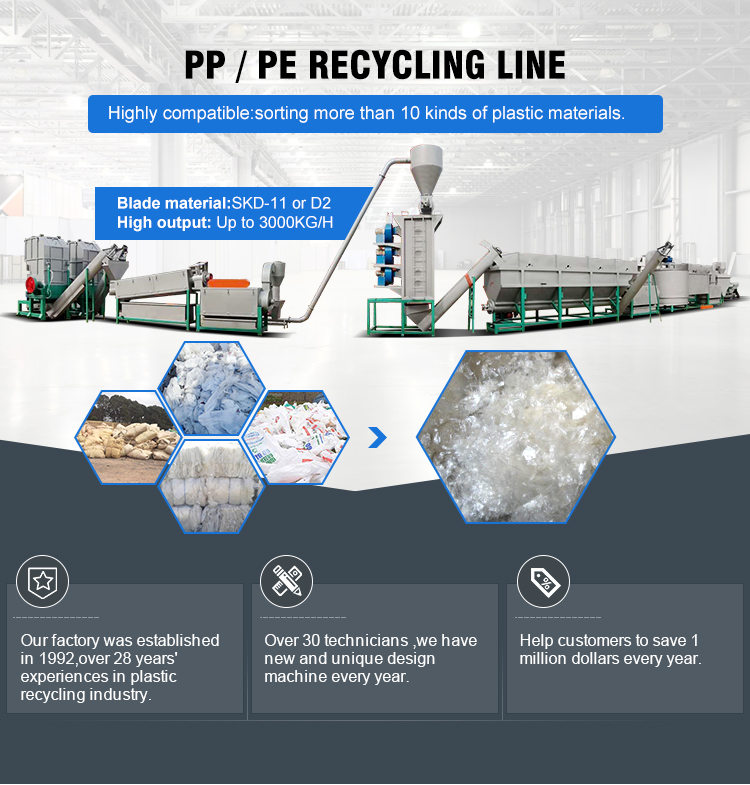
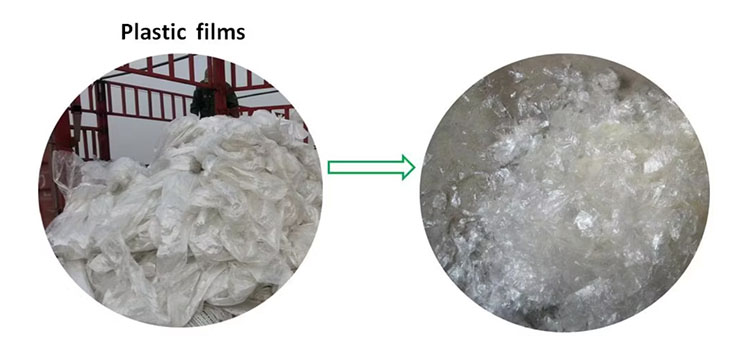
The automatic 600–2,000 kg/h PP PE film woven bag washer is an integrated plastic processing system designed to convert post-consumer and post-industrial polyethylene (PE) and polypropylene (PP) films into clean,reusable recycled pellets or flakes.The pp pe film washing line is suitable for recycling agricultural film,stretch film,shopping bags,packaging film,woven-bag film,industrial wrapping film,and other flexible plastic waste.
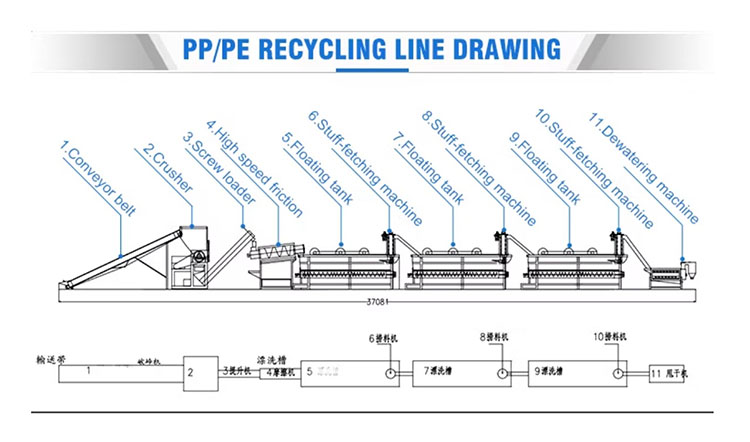
With automated conveying,size reduction,washing,separation,dewatering,drying,extrusion,filtration,and pelletizing processes,the system provides an efficient solution for plastic recycling plants seeking stable output,reduced labor requirements,and improved material recovery.
Key Features
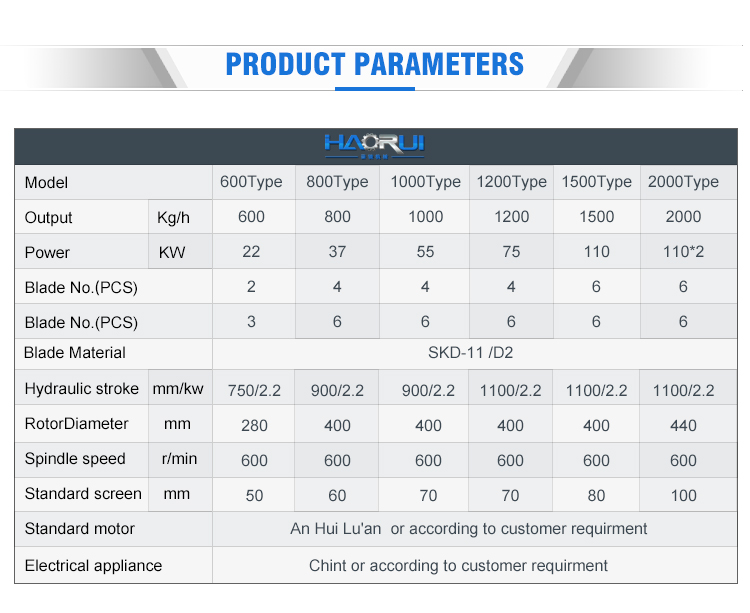
High and Flexible Processing Capacity
- Rated capacity range:600–2,000 kg/h
- Modular design allows the woven bag washing line to be configured according to material type,contamination level,and required output
- Suitable for both medium-scale and high-volume plastic recycling plants
- Actual capacity depends on film composition,moisture content,contamination,bulk density,and final product requirements
Designed for PE and PP Film Recycling
The woven bag recycling washing line can process a wide range of flexible plastic materials,including:
- LDPE and LLDPE film
- HDPE film and plastic bags
- PP packaging film
- Stretch film and shrink film
- Agricultural film
- Post-industrial production waste
- Woven-bag film and laminated flexible plastics,depending on the selected configuration
- Mixed PE/PP film streams,subject to sorting requirements
Fully Automatic Material Handling
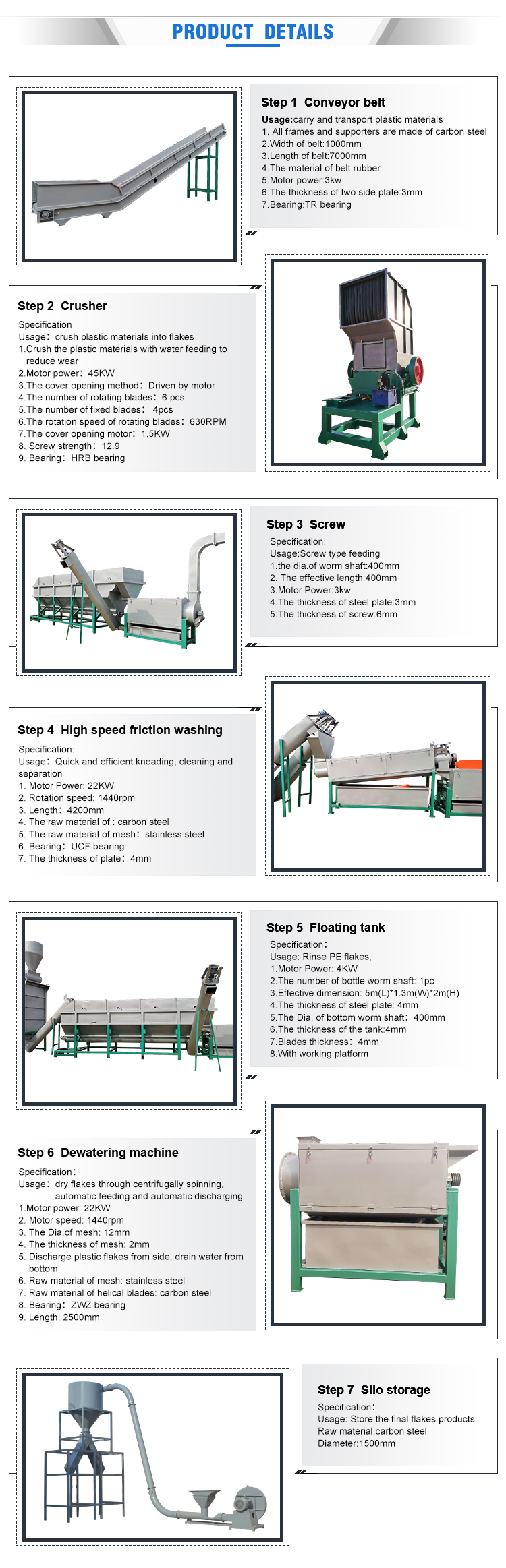
An integrated feeding and conveying system in the PP PE film woven bag washer transfers material between processing stages with minimal manual intervention.Automatic controls help maintain a consistent material flow and reduce production interruptions.
Typical automatic functions include:
- Belt or chain conveyor feeding
- Metal detection and removal
- Material level monitoring
- Automatic feeding to the shredder or crusher
- Centralized control of motors,pumps,heaters,and auxiliary equipment
- Automatic alarm and overload protection
- Recipe-based operating parameters for different materials
Efficient Size Reduction
The first processing stage typically uses a shredder,or crusher to reduce bulky film waste into smaller,more manageable pieces.Proper size reduction improves washing performance,material conveying,and feeding stability during extrusion.
The cutting system is designed for:
- High-volume film processing
- Continuous operation
- Reduced material bridging and wrapping
- Easy access for blade inspection and replacement
- Stable particle size for downstream washing and extrusion
Advanced Washing and Contamination Removal
The washing section is configured to remove dirt and contaminants commonly found in used film,such as soil,sand,paper fibers,labels,food residues,and other adhered materials.
Depending on the feedstock,the washing system may include:
- Pre-washing or friction washing
- High-speed friction washers
- Cold or warm washing modules
- Sink-float separation tanks
- Rinsing tanks
- Centrifugal separators
- Automatic water circulation and filtration systems
For heavily contaminated agricultural or post-consumer film,additional pre-treatment and intensive washing equipment can be integrated into the plastic washing mulching film recycling line.
Effective Dewatering and Drying
After washing,the film passes through mechanical dewatering and thermal drying stages to reduce residual moisture before extrusion.Effective moisture control helps improve pellet quality,extrusion stability,and energy efficiency.
The drying section may include:
- High-speed centrifugal dewatering
- Squeezing or compacting equipment
- Hot-air drying
- Thermal drying systems
- Moisture monitoring and adjustable temperature control
The final moisture level is determined by the feedstock and pelletizing requirements.
High-Performance Extrusion and Filtration
The clean,dried film is compacted and fed into a recycling extruder in the film woven bag cleaning system.The extruder melts and homogenizes the material before it passes through a filtration system to remove remaining solid impurities.
Main extrusion features may include:
- Film-specific compacting and feeding system
- Stable plasticizing performance
- Controlled barrel heating
- Temperature monitoring in multiple zones
- Automatic pressure control
- Continuous melt filtration
- Optional laser or hydraulic screen changer
- Reduced risk of melt pressure fluctuations
The filtration system helps improve the appearance and consistency of recycled pellets,particularly when processing post-consumer materials.
Automatic Pelletizing
After extrusion and filtration,the molten PE or PP is converted into uniform recycled pellets using a strand pelletizing or water-ring pelletizing system.
Pelletizing functions may include:
- Consistent pellet size
- Automatic cooling and separation
- Reduced manual handling
- Easy collection and packaging
- Adaptable pelletizing configuration for different PE and PP materials
The finished pellets can be used in applications such as garbage bags,construction film,agricultural products,packaging materials,injection-molded products,and other non-food plastic products,subject to material quality and end-use requirements.
Intelligent PLC Control System
The film woven bag cleaning system can be equipped with a centralized PLC control system and touch-screen interface for convenient operation and monitoring.
Control functions may include:
- Start-up and shutdown sequence control
- Motor and pump status monitoring
- Temperature and pressure monitoring
- Automatic overload protection
- Water level and flow control
- Fault detection and alarm display
- Emergency stop protection
- Production data monitoring
- Adjustable operating parameters for different raw materials
This automation reduces dependence on manual operation and helps improve process consistency.
Energy-Efficient Design
The Polypropylene Polyethylene bag recycler is engineered to optimize power and water consumption while maintaining stable production performance.Energy-saving features may include:
- High-efficiency motors
- Optimized screw and rotor design
- Variable-frequency drives
- Reused process water with filtration
- Controlled heating zones
- Efficient mechanical dewatering
- Automatic idle-mode protection
- Heat insulation around extrusion and drying sections
Actual energy and water consumption vary according to PP PE film cleaner capacity,raw material contamination,washing requirements,and final product specifications.
Output Quality
The quality of the recycled PE PP pellets depends primarily on the quality and composition of the input material,sorting accuracy,washing performance,moisture control,extrusion conditions,and filtration level.
With suitable feedstock and correct operating parameters,the pp pe film cleaning equipment can produce recycled material with:
- Reduced dirt and surface contamination
- Controlled moisture content
- Stable pellet size
- Improved melt uniformity
- Consistent color within the limits of the incoming material
- Better processing performance for downstream manufacturing
For mixed-color or mixed-polymer film,additional sorting may be required to achieve a more uniform recycled pellet output.
Applications
Recycled pellets produced by the pp pe film washing system may be used in the manufacture of:
- Garbage bags
- Shopping bags
- Packaging film
- Agricultural film
- Industrial liners
- Plastic sheets
- Injection-molded products
- Blow-molded containers
- Construction products
- Plastic profiles
- Non-food packaging components
Final application suitability should be evaluated according to the recycled material’s polymer composition,contamination level,mechanical properties,and applicable regulations.
Main Advantages
- Automatic processing from feeding to pelletizing
- Capacity range of 600–2,000 kg/h
- Suitable for PE and PP film waste
- Configurable for clean,dirty,post-industrial,or post-consumer materials
- Integrated washing,drying,extrusion,and pelletizing
- Reduced manual labor requirements
- Efficient removal of dirt,sand,paper,and other contaminants
- Stable and continuous operation
- Centralized PLC control
- Flexible equipment configuration
- Supports circular use of plastic materials
- Helps reduce plastic waste and dependence on virgin resin
Recommended Configuration
The ideal PP PE film cleaner configuration depends on:
- Type of film being processed
- PE-to-PP ratio
- Contamination level
- Moisture content
- Presence of labels,paper,metals,or organic residues
- Required pellet quality
- Available floor space
- Target production capacity
- Local water and energy conditions
A material sample evaluation is recommended before final equipment selection to determine the appropriate shredding,washing,drying,extrusion,filtration,and pelletizing configuration.