A Label Remover Machine is a crucial piece of equipment for any plastic recycling operation. However, many users make mistakes when operating the machine that can negatively impact its performance, efficiency, and overall longevity. Understanding and addressing these common mistakes can help keep your recycling process running smoothly and save you time and money in repairs. In this article, we will explore the most common mistakes made when using a Label Remover Machine, how they affect your operation, and the best practices to avoid them.
Haorui Machinery, a leading manufacturer of Label Remover Machines, designs reliable machines that provide high-speed, efficient label removal from various plastic containers without causing damage to the underlying materials. Whether you are handling PET, PP, or PE bottles, our machines can handle your recycling needs with ease. Let’s dive into some of the most frequent mistakes operators make and the ways to avoid them to improve the efficiency and lifespan of your equipment.
Overloading the Label Remover Machine
One of the most common mistakes when using a Label Remover Machine is overloading it beyond its capacity. Overloading is not just about trying to process too many bottles at once; it also refers to pushing the machine to handle more than what it was designed to process, which can lead to several operational issues.
Why Overloading Can Cause Damage
When the Label Remover Machine is overloaded, it exerts excessive pressure on the motor, conveyor system, and blades. This puts extra strain on the components and can result in overheating, mechanical failure, and higher wear rates. Overloading also impacts label removal efficiency, as the machine may struggle to keep up with the excessive number of bottles or labels, leading to incomplete or inconsistent label removal.
How Excess Load Affects Performance and Longevity
The strain from overloading can cause the machine's motor and internal components to degrade faster than usual. The increased workload causes parts like the blades and conveyor belts to wear out prematurely, requiring frequent replacements and repairs. Additionally, overloaded machines are prone to jams, further disrupting the recycling process and leading to costly downtime.
Always follow the manufacturer's guidelines regarding the machine's capacity to ensure optimal performance. By not exceeding the recommended load, you'll keep the Label Remover Machine running smoothly and avoid unnecessary wear and tear.
Incorrect Bottle Feeding Practices
Incorrect bottle feeding is another common mistake that operators make. Whether the machine is operated manually or with a conveyor system, misalignment can lead to inefficient label removal, increased machine stress, and even malfunction.
Proper Alignment for Maximum Efficiency
Correct bottle alignment is essential for ensuring that the Label Remover Machine works at its maximum efficiency. Misaligned bottles may cause jams, uneven label removal, and reduced processing speed. Proper alignment ensures that the machine's blades, air jets, or steam systems come into proper contact with the bottles and their labels, allowing for uniform and complete label removal.
How Improper Feeding Can Hinder Label Removal
When bottles are not aligned properly, they can block the blades or disrupt the air or steam pressure, making the removal process less effective. Bottles that aren’t fed at the correct speed or angle may cause the label remover to malfunction. This leads to wasted time, inefficient recycling, and potential damage to the bottles.
To avoid these issues, make sure bottles are correctly aligned and fed into the machine. Proper feeding practices reduce the risk of operational hiccups and ensure that labels are removed efficiently.
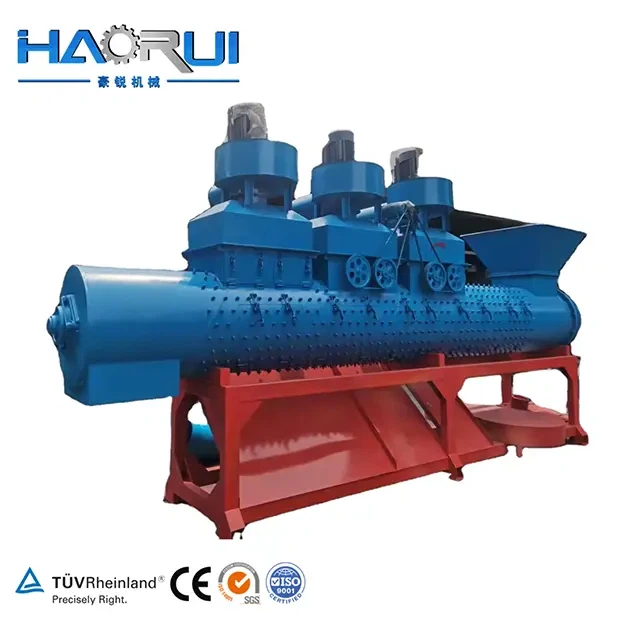
Neglecting Routine Maintenance
Regular maintenance is critical to the long-term performance and reliability of your Label Remover Machine. Neglecting maintenance can lead to performance issues, breakdowns, and costly repairs. A machine that is not well-maintained is less efficient and prone to frequent malfunctions.
Regular Checks for Optimal Performance
Routine maintenance includes checking key components such as the blades, conveyor system, air filters, and motor. Worn-out or clogged components can reduce the machine's effectiveness, leading to incomplete label removal, jams, and slower processing times. Ensuring that the machine is cleaned after each use, and performing regular inspections, helps keep it running at optimal capacity.
Why Scheduled Maintenance is Vital
Scheduled maintenance allows operators to detect potential issues before they become major problems. Regular maintenance not only extends the lifespan of the machine but also ensures that it runs efficiently, reducing downtime and improving overall productivity. Operators should create a checklist of maintenance tasks, such as inspecting and cleaning blades, checking the conveyor system, and replacing worn-out parts.
At Haorui Machinery, we recommend conducting routine maintenance monthly to prevent any malfunctions and ensure the machine’s longevity.
Poor Label Material Handling
Label materials vary significantly, and improperly handling these materials can lead to issues when removing them. Different labels—paper, plastic, or adhesive-based—require different handling methods for effective removal.
Handling Different Label Types
A Label Remover Machine must be adjusted for different types of labels. Paper labels, for example, are generally easier to remove than plastic or adhesive-based labels, which may require more power or specific settings to remove effectively. In cases where bottles have multiple types of labels, the machine must be equipped to handle a range of materials.
Tips for Managing Labels of Varying Thickness and Adhesives
To improve label removal efficiency, always set the machine according to the label material. Air-based systems work best for lighter labels like paper, while tougher labels (plastic or adhesive) may require water-based or steam-based systems. Additionally, ensure that the machine has adjustable settings for processing multiple types of labels.
If your machine handles a variety of labels, Haorui Machinery’s Label Remover Machines come with customizable settings, ensuring that all types of labels can be effectively removed. Adjusting these settings helps streamline the recycling process and reduces downtime.
Label Remover Machine Settings and Adjustments Table
To help operators select the best settings for different types of labels, we have created this helpful comparison table based on label types, removal methods, and settings:
Label Type | Removal Method | System Type | Recommended Settings |
Paper Labels | Air Pressure/Mechanical | Dry (Air-based) | High speed, low air pressure |
Plastic Labels | Water/Steam + Pressure | Wet (Water-based) | Medium speed, medium water pressure |
Adhesive Labels | Water or Steam | Wet (Water-based) | Medium speed, high water pressure |
Mixed Labels | Dual System | Wet & Dry | Variable speed and adjustable settings for both |
Tough Adhesive Labels | Water or Steam | Wet (Water-based) | Low speed, high water pressure |
This table helps you optimize the settings of your Label Remover Machine, ensuring that you select the right method for the labels you're processing.
Conclusion
Avoiding common mistakes is essential to maximizing the efficiency of your Label Remover Machine and ensuring it runs smoothly. By preventing overloading, aligning bottles correctly, performing routine maintenance, and handling label materials properly, you can avoid most issues that lead to inefficiency and increased downtime. Haorui Machinery’s Label Remover Machines are designed for reliable performance and durability, ensuring high-speed, efficient label removal.
If you need help troubleshooting or optimizing your Label Remover Machine, contact us today. Our team of experts is always available to assist you with machine settings, maintenance, and troubleshooting to ensure your recycling process runs smoothly.
FAQ
Q1: How can I prevent my Label Remover Machine from getting overloaded?
A: Always ensure that the number of bottles fed into the machine does not exceed its rated capacity, which is specified in the manual.
Q2: How do I handle different types of labels?
A: Adjust the machine settings based on the type of label you are processing. Air-based systems are ideal for paper labels, while water-based systems are better for adhesive labels.
Q3: How often should I perform maintenance on my Label Remover Machine?
A: Routine maintenance should be performed monthly, including cleaning, checking components for wear, and ensuring that the machine is running efficiently.
Q4: What should I do if my machine is not removing labels effectively?
A: Check the machine’s settings to ensure they are optimized for the type of label material you are processing. Additionally, inspect the blades and air filters to ensure they are clean and in good condition.