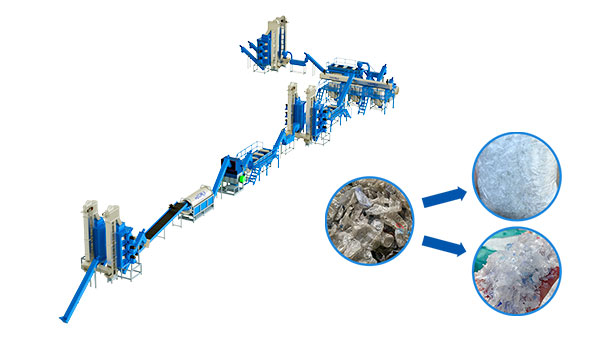
The plastic recycling industry has experienced remarkable growth and technological advancement in recent years, with essential mechanical cleaning action in plastic recycling operations. These machines remove contamination from plastic surfaces through controlled abrasion, bridging the gap between initial soaking and final rinsing. This comprehensive guide explores the technology, applications, operational considerations, and strategic factors essential for businesses seeking to implement or optimize their recycling operations.
Industry Overview and Market Context
The global plastic recycling market has grown substantially in response to increasing environmental concerns, regulatory pressures, and corporate sustainability commitments. Governments worldwide have implemented Extended Producer Responsibility programs requiring manufacturers to fund end-of-life management of their packaging materials. Brand owners have committed to incorporating recycled content in their products, creating sustained demand for high-quality recycled materials.
The economic case for plastic recycling extends beyond direct revenue from product sales. Carbon credits and renewable energy certificates may be available for facilities generating energy from waste materials or utilizing renewable power sources. Extended Producer Responsibility schemes create additional revenue streams through compliance payments. The circular economy framework increasingly influences business strategy and investment decisions.
Understanding the Target Material
[Detailed content about the specific material being processed, its properties, applications, and recycling challenges would go here. This section establishes the foundation for understanding why specific equipment and processes are required.]
The material characteristics significantly influence equipment selection and processing parameters. Different plastic types require specific