Introduction
In the modern era, the increasing consumption of plastic products has led to a significant rise in plastic waste, posing serious environmental challenges. One of the most effective solutions to mitigate this issue is the recycling of polyethylene terephthalate (PET) bottles. PET bottle washing lines are at the forefront of this initiative, transforming discarded plastic bottles into valuable raw materials for various industries. This comprehensive guide delves into the intricacies of PET bottle washing lines, exploring their components, operational processes, benefits, and the pivotal role they play in promoting a circular economy.
Understanding PET Bottle Recycling
The Importance of PET Recycling
PET bottles are ubiquitous in our daily lives, used extensively for packaging beverages, personal care products, and more. Recycling these bottles is essential not only for reducing environmental pollution but also for conserving resources and energy. By reprocessing used PET bottles, we can significantly reduce the volume of plastic waste in landfills and oceans, thereby mitigating the adverse effects on wildlife and ecosystems. Moreover, recycled PET (rPET) serves as a cost-effective and sustainable alternative to virgin plastic, fostering resource efficiency and reducing reliance on fossil fuels.
Applications of Recycled PET
Recycled PET is remarkably versatile and finds applications across various industries. It is utilized in the production of new PET bottles, reducing the need for virgin materials. Additionally, rPET is used in manufacturing polyester fibers for textiles, enabling the creation of clothing, upholstery, and carpets. In the packaging industry, rPET is employed for producing food-grade containers, films, and strapping materials. The use of rPET not only conserves resources but also supports sustainable manufacturing practices.
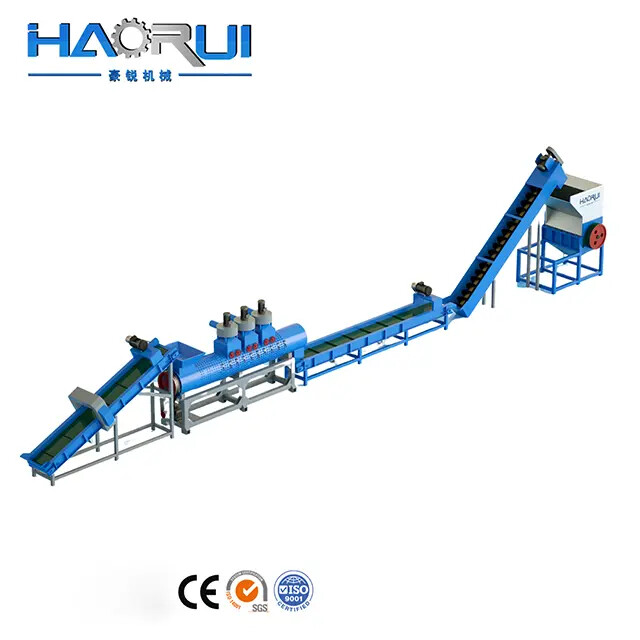
Components of a PET Bottle Washing Line
1. Conveyor System
The recycling process begins with the collection of used PET bottles, which are then transported via a belt conveyor system. This system ensures a consistent and controlled feed of materials into the washing line, optimizing efficiency and throughput. The conveyor's design accommodates various bottle sizes and prevents blockages, facilitating smooth operations.
2. Label Removing Machine
Before processing, bottles pass through a label removing machine that efficiently strips off labels and adhesives. This step is crucial as labels can contaminate the PET flakes and affect the quality of the recycled material. Advanced machines utilize mechanical agitation and friction to remove labels without damaging the bottles.
3. Sorting System
Effective sorting is essential to eliminate contaminants such as metals, PVC, and other plastics. Modern facilities employ automated optical sorting systems that use sensors to identify and separate materials based on their color and resin type. This enhances the purity of the PET flakes, ensuring they meet stringent quality standards.
4. Crushing/Shredding Unit
The sorted bottles are then conveyed to a crusher or shredder, where they are reduced to smaller flakes. This size reduction increases the surface area, facilitating more effective washing and drying. The equipment is designed to handle high volumes while minimizing dust and fines generation.
5. Washing Tanks
The crushed PET flakes undergo rigorous cleaning in both hot and cold washing tanks. Hot washing involves immersing the flakes in heated solutions with detergents to remove oils, adhesives, and stubborn contaminants. Cold washing rinses away residual chemicals and dirt, ensuring the flakes are thoroughly cleaned.
6. Friction Washer
A friction washer employs high-speed spinning to scrub the PET flakes, removing fine impurities attached to the surfaces. This mechanical action enhances the cleanliness of the flakes, contributing to higher-quality recycled material.
7. Drying System
Post-washing, excess moisture is removed using a centrifugal dryer and air-drying systems. This step is critical, as moisture can affect the properties of the PET flakes and hinder downstream processing. Efficient drying ensures the flakes have a low moisture content, typically below 2%.
8. Air Separation and Quality Control
Final purification is achieved through air classifiers and vibrating screens, which remove any remaining fines, dust, or lightweight contaminants. Quality control measures, including metal detection and optical inspection, are implemented to ensure the PET flakes meet the required specifications.
The PET Bottle Washing Process: A Step-by-Step Overview
Step 1: Collection and Pre-sorting
The process commences with the collection of used PET bottles from various sources such as recycling bins, waste management facilities, and environmental cleanup initiatives. Initial sorting involves removing visible contaminants and non-PET materials to prepare for efficient processing.
Step 2: Label and Cap Removal
Bottles are processed through equipment that removes labels and caps. Since caps are often made from different plastics like polypropylene (PP) or polyethylene (PE), they are separated for individual recycling streams. Effective label removal is essential to prevent contamination of the PET flakes.
Step 3: Crushing/Shredding
The bottles are then reduced to flakes using crushers or shredders. This step increases the efficiency of subsequent washing stages by allowing better penetration of cleaning agents and facilitating the removal of contaminants.
Step 4: Hot and Cold Washing
The shredded flakes undergo hot washing with detergents to eliminate oils, adhesives, and organic residues. Cold washing follows, rinsing away chemicals and ensuring the flakes are free from soluble impurities. This dual-stage washing process is critical for achieving high-purity output.
Step 5: Friction Washing and Separation
Friction washers provide an additional scrubbing action, removing stubborn contaminants. Subsequently, flotation separation techniques may be employed to distinguish PET from other plastics based on density differences. This ensures that materials like PVC or PP are effectively removed.
Step 6: Drying and Final Quality Checks
After washing, the flakes are dried thoroughly. Final quality checks involve testing for impurities, color consistency, and moisture content. Ensuring these parameters meet industry standards is vital for the suitability of the flakes in various applications.
Benefits of Implementing a PET Bottle Washing Line
Environmental Advantages
By recycling PET bottles, we significantly reduce the environmental footprint associated with plastic waste. Recycling diminishes the volume of waste sent to landfills and lowers the risk of environmental pollution. Moreover, it conserves natural resources by reducing the demand for virgin PET production, which in turn decreases greenhouse gas emissions associated with raw material extraction and processing.
Economic Benefits
Businesses investing in PET bottle washing lines can experience considerable cost savings. Recycled PET flakes are generally less expensive than virgin materials, offering manufacturers a competitive advantage. Additionally, participating in the recycling industry opens up new revenue streams and job opportunities, contributing positively to the economy.
Quality of Recycled Materials
Advanced washing lines ensure high-purity PET flakes that meet stringent industry standards. The quality of recycled PET is often comparable to that of virgin materials, making it suitable for demanding applications, including food-grade packaging. High-quality rPET enhances the marketability and acceptance of recycled products.
Selecting the Right PET Bottle Washing Line
Factors to Consider
Choosing the appropriate washing line involves evaluating several critical factors:
Processing Capacity: Align the equipment’s capacity with your operational demands, ranging from 500 kg/h to 5000 kg/h.
Energy Efficiency: Opt for systems designed to minimize water and electricity consumption, reducing operational expenses.
Output Quality: Ensure the machinery can produce PET flakes that meet your required purity levels, especially if food-grade output is needed.
Automation Level: Higher automation can enhance efficiency and lower labor costs, though it may require a larger initial investment.
After-Sales Support: Select manufacturers who offer comprehensive support, including maintenance services and easy access to spare parts.
Case Study: 500-5000kg/h PET Sheet & Bottle Washing Line
An exemplary model in the industry is the 500-5000kg/h PET Sheet & Bottle Washing Line. This system is designed to process various types of PET materials into clean flakes suitable for multiple applications, including PET sheets and fibers. Its core components include pre-washing units, advanced crushing mechanisms, hot and cold washing modules, and efficient drying systems. The line is equipped with customizable features to cater to different processing requirements, ensuring high purity output and operational efficiency.
Advancements in PET Bottle Washing Technology
Innovations in Sorting Technology
Recent advancements in optical sorting technology have significantly enhanced the precision and efficiency of contaminant removal. These systems utilize infrared sensors and machine learning algorithms to identify and separate materials based on resin type and color. Such innovations reduce the reliance on manual sorting, decrease contamination rates, and improve the overall quality of the recycled PET flakes.
Energy and Water Conservation Measures
Modern washing lines are designed with sustainability in mind, incorporating features that reduce energy and water consumption. Closed-loop water systems recycle and purify process water, minimizing waste. Energy-efficient motors and variable frequency drives optimize power usage, lowering operational costs and environmental impact.
Implementing a PET Bottle Washing Line: Best Practices
Regulatory Compliance
Operators must ensure compliance with local and international regulations governing waste management and recycling. This includes obtaining necessary permits, adhering to environmental protection standards, and maintaining records of material processing and disposal.
Quality Assurance Protocols
Implementing stringent quality control measures is essential for producing high-grade rPET. Regular testing for contaminants, color variation, and physical properties helps maintain product consistency. Adopting certifications such as ISO standards can enhance credibility and customer confidence.
Staff Training and Safety
Proper training of personnel is vital for efficient operation and safety. Employees should be knowledgeable about machinery operation, maintenance procedures, and safety protocols. Regular training sessions and updates on technological advancements contribute to operational excellence.
Economic and Social Impacts of PET Recycling
Job Creation and Economic Growth
The recycling industry contributes to economic development by creating jobs in collection, processing, and manufacturing sectors. It stimulates investment in technology and infrastructure, fostering economic resilience and diversification.
Community Engagement and Awareness
Recycling initiatives promote environmental stewardship and encourage community participation. Educational programs and awareness campaigns can enhance public understanding of recycling benefits, leading to increased participation rates and community support.
Challenges and Solutions in PET Bottle Recycling
Contamination Issues
Contaminants remain a significant challenge, affecting the quality of recycled PET. Solutions include improving collection systems to minimize contamination at the source and advancing sorting technologies to detect and remove impurities more effectively.
Market Fluctuations
The recycling industry is susceptible to market fluctuations in the price of virgin plastics versus recycled materials. Diversifying the applications of rPET and fostering long-term contracts can mitigate financial risks and stabilize demand.
Conclusion
PET bottle washing lines play an indispensable role in the global effort to promote sustainable practices and reduce environmental impact. By converting waste into valuable resources, these systems support the circular economy, conserve natural resources, and provide economic benefits. As technology advances and awareness grows, the efficiency and effectiveness of PET recycling will continue to improve. Investing in a PET bottle washing line is not only a sound business decision but also a commitment to environmental stewardship and sustainable development.
Frequently Asked Questions (FAQs)
1. What is the capacity range of PET bottle washing lines?
PET bottle washing lines typically have capacities ranging from 500 kg/h to 5000 kg/h. The capacity can be tailored to meet specific operational needs, ensuring efficiency and scalability for different sizes of recycling operations.
2. Can PET bottle washing lines handle heavily contaminated bottles?
Yes, modern washing lines are equipped with advanced cleaning and sorting technologies that can process heavily contaminated bottles. Features like hot washing, friction washing, and optical sorting help remove stubborn contaminants, producing high-purity PET flakes.
3. How do PET bottle washing lines contribute to environmental sustainability?
By recycling PET bottles, washing lines reduce the amount of plastic waste that ends up in landfills and oceans. They conserve resources by enabling the reuse of materials and reduce greenhouse gas emissions associated with the production of virgin plastics. This promotes a circular economy and environmental conservation.
4. What are the maintenance requirements for a PET bottle washing line?
Regular maintenance is essential to ensure optimal performance. This includes routine inspections, cleaning of machinery, replacement of worn parts, and software updates for automated systems. Manufacturers often provide maintenance support and training to help operators manage these tasks effectively.
5. Is it possible to produce food-grade recycled PET using a washing line?
Yes, with the appropriate technology and processes, PET bottle washing lines can produce food-grade rPET flakes. Compliance with food safety regulations requires additional steps, such as vacuum degassing and strict quality control measures, to ensure the recycled material meets health standards.
6. How does the 500-5000kg/h PET Sheet & Bottle Washing Line differ from other systems?
The 500-5000kg/h PET Sheet & Bottle Washing Line offers a flexible and customizable solution capable of processing a wide range of PET materials. It features advanced components for efficient pre-washing, hot and cold washing, and drying, resulting in high-purity output suitable for diverse applications, including PET sheets and fibers.
7. Where can businesses seek assistance for setting up a PET bottle washing line?
Businesses can consult with manufacturers and suppliers of recycling equipment for expert guidance. Companies like PetRecyclingMachinery.com offer comprehensive support, including equipment selection, installation services, staff training, and after-sales maintenance to ensure successful implementation of recycling operations.